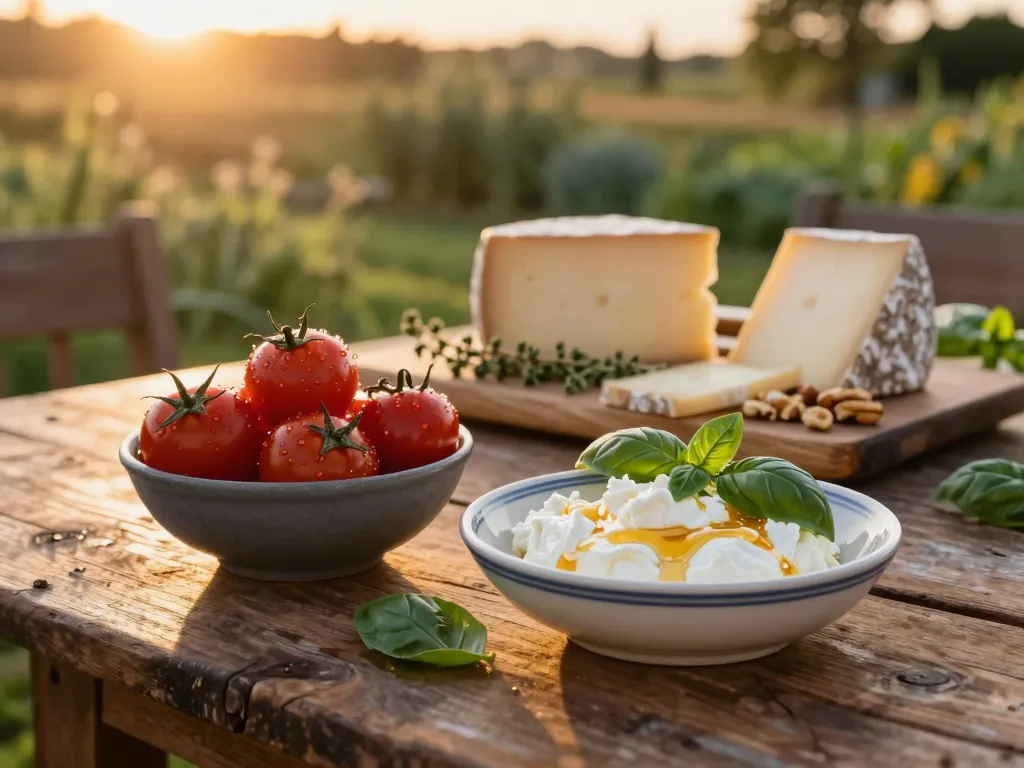
Food and Drink

Essential Tips for Perfecting Your Food and Drink Skills

Essential Cooking Techniques for Beginners

Whether you’re just starting your culinary journey or looking to refine your skills, mastering basic cooking techniques is vital. This section will guide you through some fundamental methods that will elevate your cooking game.

Subsection 1.1: How to Boil Pasta Perfectly

Boiling pasta might seem straightforward, but doing it correctly ensures you achieve that perfect al dente texture. Follow these steps:

  1. Choose the Right Pot: Use a large pot to prevent the pasta from sticking together. A 4-quart pot is usually sufficient for a pound of pasta.
  2. Use Plenty of Water: Fill the pot with at least 4-6 quarts of water per pound of pasta. More water helps maintain the temperature when adding pasta.
  3. Season the Water: Add a generous amount of salt (about 1-2 tablespoons). This enhances the pasta’s flavor.
  4. Bring Water to a Rolling Boil: Heat the water on high until it reaches a rapid boil.
  5. Add the Pasta: Stir the pasta immediately after adding to prevent sticking. Refer to the package for cooking times.
  6. Test for Doneness: About a minute before the package time, taste a piece to check if it’s al dente.
  7. Drain & Serve: Drain the pasta in a colander. Do not rinse unless making a cold pasta dish.

Subsection 1.2: How to Sauté Vegetables

Sautéing is a quick cooking method that enhances the flavor and color of vegetables. Here’s how to do it right:

  1. Select Your Vegetables: Choose a mix of vegetables like bell peppers, zucchini, and onions for a vibrant dish.
  2. Prepare Your Vegetables: Wash, peel, and chop them into uniform pieces to ensure even cooking.
  3. Heat the Pan: Place a non-stick skillet over medium-high heat. Allow it to heat up for about 2 minutes.
  4. Add Oil: Pour in 1-2 tablespoons of olive oil. Swirl it around to coat the bottom of the pan.
  5. Add Vegetables: Once the oil shimmers, add your vegetables. Stir them immediately for even cooking.
  6. Season: Sprinkle with salt and pepper. You can add garlic or herbs for extra flavor.
  7. Cook Until Tender: Sauté for about 5-7 minutes, stirring occasionally until they’re tender and slightly browned.

Subsection 1.3: How to Roast Meat

Roasting can create a flavorful and juicy centerpiece for any meal. Here’s a practical guide to roasting meat:

  1. Choose Your Cut: Common options include chicken, beef, or pork. A whole chicken or beef roast works well.
  2. Preheat the Oven: Set your oven to the desired temperature, typically between 350°F and 425°F, depending on the meat.
  3. Prepare the Meat: Pat the meat dry with paper towels. This helps achieve a crispy exterior.
  4. Season Generously: Rub with olive oil, salt, pepper, and your choice of herbs. For beef, consider rosemary and thyme.
  5. Place in the Oven: Use a roasting pan or baking dish. Position the meat in the center of the oven.
  6. Monitor the Internal Temperature: Use a meat thermometer to check doneness. Chicken should be 165°F, pork 145°F, and beef varies by preference.
  7. Let it Rest: After cooking, let the meat rest for 10-15 minutes before slicing. This allows juices to redistribute.

Exploring World Cuisines: Step-by-Step Recipes

Exploring diverse cuisines can be an exhilarating part of cooking. This section features step-by-step recipes from around the globe, perfect for beginners and those looking to expand their palate.

Subsection 2.1: Making Classic Italian Risotto

Risotto is a creamy rice dish that requires patience and technique. Here’s how to make it:

  1. Gather Ingredients: You’ll need Arborio rice, chicken or vegetable broth, onion, garlic, parmesan cheese, and white wine.
  2. Sauté Aromatics: In a large saucepan, heat 2 tablespoons of olive oil. Add a finely chopped onion and sauté until translucent.
  3. Add Garlic: Stir in 2 minced garlic cloves and sauté for another minute until fragrant.
  4. Add Rice: Pour in 1 cup of Arborio rice and stir for 1-2 minutes to toast the rice.
  5. Deglaze with Wine: Add ½ cup of white wine and cook until absorbed, stirring constantly.
  6. Add Broth Gradually: Begin adding warm broth, one ladle at a time, stirring until absorbed before adding more. Repeat for about 18-20 minutes.
  7. Finish with Cheese: Stir in ½ cup of grated parmesan cheese and season with salt and pepper to taste.

Subsection 2.2: Preparing Authentic Mexican Tacos

Tacos are versatile and can be filled with various ingredients. Here’s a straightforward recipe:

  1. Choose Your Protein: Options include grilled chicken, beef, or beans for a vegetarian version.
  2. Marinate: For chicken or beef, marinate in lime juice, garlic, and chili powder for at least 30 minutes.
  3. Cook the Protein: Grill or sauté the marinated meat until fully cooked, about 10 minutes for chicken, 5 for beef.
  4. Warm Tortillas: Heat corn or flour tortillas on a skillet for 30 seconds per side until warm.
  5. Assemble Tacos: Fill each tortilla with the cooked protein, then top with diced onions, cilantro, and lime juice.
  6. Add Salsa: Serve with a side of salsa or guacamole for added flavor.
  7. Enjoy: Fold and eat your tacos while they’re fresh!

Subsection 2.3: Baking French Croissants

Baking croissants may seem daunting, but with practice, you can achieve flaky perfection. Here’s how:

  1. Gather Ingredients: You’ll need all-purpose flour, yeast, milk, sugar, salt, butter, and an egg for egg wash.
  2. Prepare Dough: In a bowl, mix 4 cups of flour, 2 tablespoons of sugar, 2 teaspoons of salt, and 1 packet of yeast. Add 1 ¼ cups of warm milk and mix until a dough forms.
  3. Knead: Knead the dough on a floured surface for about 5 minutes until smooth. Let it rise for 1 hour in a warm place.
  4. Prepare Butter Layer: Soften 1 cup of unsalted butter and shape it into a rectangle between two sheets of parchment paper.
  5. Roll Out Dough: Roll the dough into a large rectangle and place the butter layer in the center. Fold the dough over the butter and seal the edges.
  6. Laminate: Roll the dough out into a long rectangle, then fold it into thirds (like a letter). Repeat this process three times, chilling the dough in between if it becomes too warm.
  7. Shape Croissants: Roll out the final dough and cut it into triangles. Roll them up tightly from the base to the tip. Place on a baking sheet.
  8. Proof: Allow the croissants to rise for about 1-2 hours until doubled in size. Brush with egg wash.
  9. Bake: Preheat the oven to 400°F and bake for 15-20 minutes until golden brown.

Healthy Cooking: Nutritious Meal Prep

Meal prepping is an excellent way to maintain a healthy diet. This section will provide you with practical steps to create nutritious meals in advance.

Subsection 3.1: Planning Balanced Meals

Creating a meal plan is the first step in meal prepping. Here’s how to do it:

  1. Set Your Goals: Determine how many meals you need for the week and your dietary preferences (e.g., vegetarian, high-protein).
  2. Choose Recipes: Select a few recipes that offer variety and use similar ingredients to minimize waste.
  3. Make a Shopping List: List all necessary ingredients and categorize them by sections of the grocery store for efficient shopping.

Subsection 3.2: Cooking in Batches

Cooking in batches allows you to save time and ensure you have healthy options ready to go. Here’s how:

  1. Pick a Day: Choose a day to meal prep, ideally when you have a few hours free.
  2. Cook Staples First: Start with grains like quinoa or brown rice in a rice cooker or Instant Pot.
  3. Prepare Proteins: While the grains cook, season and cook your proteins (e.g., chicken, tofu) on the stovetop or in the oven.
  4. Roast Vegetables: Chop your vegetables and roast them on a baking sheet with olive oil, salt, and pepper until tender.
  5. Mix and Store: Divide the cooked ingredients into meal containers, ensuring each has a balance of protein, carbs, and vegetables.

Subsection 3.3: Storing and Reheating Meal Prep

Proper storage and reheating methods are crucial to preserving your meal’s freshness. Follow these steps:

  1. Use Airtight Containers: Store meals in glass or BPA-free plastic containers with tight-fitting lids.
  2. Label and Date: Use masking tape and a marker to label each container with the contents and date prepared.
  3. Reheat Safely: When reheating, use the microwave or stovetop. Heat until piping hot, usually 2-3 minutes in the microwave.

Mixology Basics: Creating Delicious Drinks

Mixology adds flair to any occasion. Understanding how to craft a few classic drinks can impress your guests and enhance your hosting skills.

Subsection 4.1: Crafting a Classic Mojito

The Mojito is a refreshing cocktail that’s easy to make. Here’s how to mix it:

  1. Gather Ingredients: You’ll need fresh mint leaves, lime, sugar, white rum, soda water, and ice.
  2. Muddle Mint and Sugar: In a glass, add 10 mint leaves and 2 teaspoons of sugar. Use a muddler to gently crush leaves for flavor.
  3. Add Lime Juice: Squeeze the juice of half a lime into the glass. Stir to dissolve the sugar.
  4. Add Rum: Pour in 2 ounces of white rum and stir well.
  5. Add Ice: Fill the glass with ice cubes, then top off with soda water.
  6. Garnish: Garnish with a sprig of mint and a lime wedge if desired.

Subsection 4.2: Shaking Up a Classic Daiquiri

The Daiquiri is a simple yet delicious cocktail that highlights the essence of rum. Here’s a step-by-step guide:

  1. Gather Ingredients: You’ll need white rum, fresh lime juice, sugar, and ice.
  2. Measure Ingredients: Use a jigger to measure 2 ounces of white rum, 1 ounce of fresh lime juice, and ½ ounce of sugar.
  3. Add to Shaker: Place ice in a cocktail shaker, then add the measured rum, lime juice, and sugar.
  4. Shake: Secure the shaker lid and shake vigorously for about 15 seconds until well combined.
  5. Strain: Strain the mixture into a chilled coupe glass.
  6. Garnish: Optionally, garnish with a lime wheel or twist.

Subsection 4.3: Blending a Refreshing Smoothie

Making smoothies is an excellent way to enjoy fruits and vegetables. Follow these steps for a basic smoothie:

  1. Choose Your Base: Start with 1 cup of liquid like almond milk, coconut water, or yogurt.
  2. Add Fruits: Add 1-2 cups of fruits, such as bananas, berries, or mangoes.
  3. Include Greens: Toss in a handful of spinach or kale for added nutrition.
  4. Blend: Combine all ingredients in a blender and blend until smooth, adding ice if desired for thickness.
  5. Taste and Adjust: Taste your smoothie and add honey or sweetener if needed, then blend again.
  6. Serve: Pour into a glass, and enjoy!

Enhancing Food Presentation: Plating Techniques

The way you plate your food can elevate the dining experience. This final section provides effective plating techniques to impress your guests.

Subsection 5.1: Using Color Contrast

Color contrast is crucial in making dishes visually appealing. Here’s how:

  1. Choose a Color Palette: Aim for a mix of colors. Pair vibrant vegetables with neutral proteins or grains.
  2. Use a White Plate: White plates enhance color contrast and make the food pop.
  3. Layer Colors: Arrange your food in layers or clusters, contrasting colors for a visually appealing plate.

Subsection 5.2: Creating Height and Dimension

Adding height to your plate adds interest. Here’s how to achieve that:

  1. Build Layers: Stack ingredients vertically, such as layering mashed potatoes under chicken or fish.
  2. Utilize Garnishes: Consider using microgreens or edible flowers for height and decoration.
  3. Use a Ring Mold: For structured dishes, use a ring mold to shape ingredients neatly, adding height.

Subsection 5.3: Finishing Touches

Finishing touches can elevate a dish even further. Here are some ideas:

  1. Drizzle Sauces: Create a sauce drizzle on the plate, or use a squeeze bottle for artistic flair.
  2. Sprinkle Fresh Herbs: Freshly chopped herbs add color and brightness to the final dish.
  3. Consider Textures: Add crunchy elements like nuts or seeds to provide a contrast to softer textures.
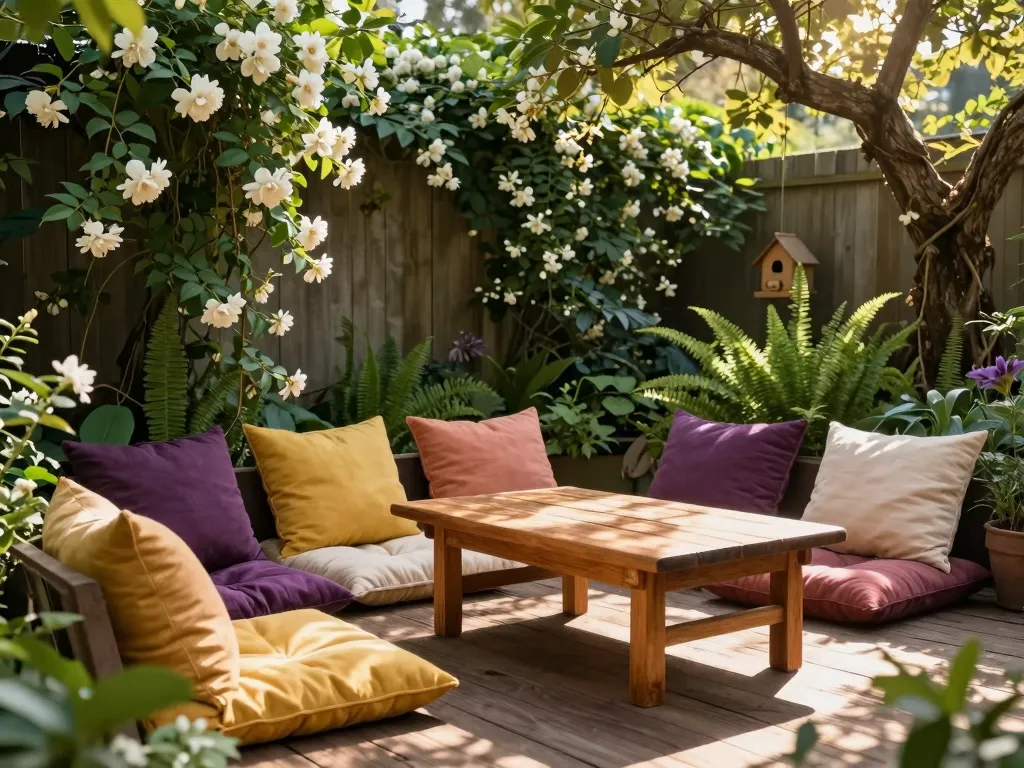
Home and Garden

Simple Tips for Crafting Your Perfect Home and Garden

Maximizing Small Spaces: Smart Gardening Solutions

Small gardens can be challenging, but with the right strategies, you can create a lush oasis in limited space. Learn how to utilize vertical gardening, container gardening, and companion planting to maximize your garden’s potential.

Subsection 1.1: Vertical Gardening Techniques

Vertical gardening is an effective way to maximize space and add visual interest to your home garden. Here’s how to get started:

  1. Choose Your Structure: Select a trellis, wall-mounted planter, or vertical garden kit. Look for sturdy materials like wood or metal.
  2. Select Your Plants: Opt for climbing plants such as peas, beans, or flowering vines like clematis. Herbs like thyme and oregano also do well.
  3. Plant and Train: Begin planting at the base of your structure and gently train the plants to grow upward using ties or clips.

Example: A wall-mounted planter filled with herbs can add beauty and functionality, allowing you to harvest right from your kitchen.

Subsection 1.2: Container Gardening Basics

Container gardening is perfect for small spaces, allowing you to grow plants in pots, window boxes, and hanging baskets. Follow these steps:

  1. Select Containers: Choose pots with drainage holes. Materials like terracotta, plastic, or metal each have advantages regarding weight and permeability.
  2. Use Quality Soil: Fill containers with a mix of potting soil and compost to provide nutrients while ensuring proper drainage.
  3. Watering and Care: Regularly check soil moisture, and water when the top inch feels dry. Fertilize every 4-6 weeks with a balanced fertilizer.

Real-world case study: A community garden in a city successfully used container gardening to grow vegetables on rooftops, proving that limited space shouldn’t limit your gardening ambitions.

Subsection 1.3: Companion Planting for Small Gardens

Companion planting can enhance plant growth and pest control in small spaces. Here’s how to implement it:

  1. Research Compatible Plants: For example, plant tomatoes with basil to enhance flavor and repel pests.
  2. Layout Planning: Arrange your garden layout so that taller plants don’t shade shorter ones. Plant taller companions on the north side and shorter ones on the south.
  3. Monitor Growth: Keep an eye on plant health, adjusting watering and fertilization as needed to support all companions.

Tip: A classic combination is marigolds with almost any vegetable; they attract beneficial insects while deterring harmful pests.

Creating a Sustainable Garden: Eco-Friendly Practices

Building a sustainable garden not only helps the environment but also can reduce maintenance costs. Here’s how to incorporate eco-friendly practices into your gardening routine.

Subsection 2.1: Composting 101

Composting transforms kitchen scraps and yard waste into nutrient-rich soil. Here’s a simple guide:

  1. Choose a Compost Bin: Select a bin that suits your space. Options range from tumblers to simple open heaps.
  2. Layer Your Ingredients: Alternate between brown materials (dry leaves, cardboard) and green materials (vegetable scraps, grass clippings). Aim for a 3:1 ratio.
  3. Turn and Monitor: Every few weeks, turn your compost to aerate it. Keep it moist but not soggy.

Case study: A family turned their food scraps and yard waste into compost, significantly reducing their garbage output while enriching their garden soil.

Subsection 2.2: Water Conservation Techniques

Conserving water is essential for sustainability. Here are practical methods:

  1. Install Rain Barrels: Collect rainwater from your gutters to use for watering gardens. Ensure your barrel has a lid to prevent mosquito breeding.
  2. Mulch Your Garden: Apply a 2-3 inch layer of mulch around plants to retain moisture, suppress weeds, and regulate soil temperature.
  3. Drip Irrigation Systems: Consider setting up a drip irrigation system that delivers water directly to the roots, reducing waste.

Expert insight: Research shows that drip irrigation can reduce water use by up to 60% compared to traditional sprinklers.

Subsection 2.3: Natural Pest Control Methods

Instead of chemical pesticides, explore natural solutions for pest control:

  1. Encourage Beneficial Insects: Attract ladybugs and lacewings by planting flowers like dill and yarrow, which provide food for these helpful insects.
  2. Use Neem Oil: This organic pesticide derived from the seeds of the neem tree effectively controls pests without harming beneficial insects.
  3. Hand-Picking Pests: Regularly inspect plants and remove pests by hand. This is particularly effective for larger pests like slugs and caterpillars.

Example: A local organic farm reported a 40% reduction in pest problems after introducing beneficial insects to their crops.

Enhancing Your Home’s Curb Appeal

Curb appeal can significantly affect the value of your property. Here’s how you can enhance the exterior of your home with simple garden projects.

Subsection 3.1: Landscape Design Principles

Good landscape design can create an inviting atmosphere. Here are principles to follow:

  1. Balance and Symmetry: Use symmetrical plantings flanking a pathway for a balanced look, or asymmetrical groupings to create a more casual feel.
  2. Focal Points: Create a focal point such as a decorative tree, bench, or water feature that draws the eye and adds interest.
  3. Color Schemes: Choose a color palette that complements your home’s exterior. Bright flowers can contrast beautifully against neutral siding.

Case study: A homeowner redesigned their front yard with a focal point and balanced layout, increasing foot traffic and interest in their property.

Subsection 3.2: Seasonal Planting for Year-Round Interest

Strategically planting for different seasons ensures that your garden remains visually appealing throughout the year:

  1. Spring Planting: Use early bloomers like daffodils and tulips to kick off the growing season.
  2. Summer Color: Incorporate vibrant summer flowers like sunflowers and zinnias that thrive in warm weather.
  3. Autumn Foliage: Plant trees and shrubs that display colorful foliage in fall, such as maples and oaks.

Tip: Research which plants bloom at different times to ensure continuous flowering throughout the seasons.

Subsection 3.3: DIY Garden Walkway Creation

A well-defined walkway can enhance your garden’s aesthetics and functionality. Here’s how to create one:

  1. Choose Your Material: Options include gravel, pavers, or bricks. Consider the overall style of your home and garden.
  2. Plan the Path: Mark out the shape of your pathway with string or a garden hose. Ensure it leads in a logical direction to focal points.
  3. Lay the Foundation: Excavate the pathway area, add a layer of landscape fabric to prevent weeds, then fill with your chosen material, compacting as you go.

Example: A gravel pathway with stepping stones can create a rustic charm, enhancing the overall design of your garden.

Indoor Gardening: Bringing Nature Inside

Indoor gardening has gained popularity, allowing you to enjoy plants year-round. Here’s how to create your indoor garden.

Subsection 4.1: Selecting the Right Indoor Plants

Choosing the right plants is crucial for your indoor garden’s success. Here’s what to consider:

  1. Light Requirements: Assess the light levels in your home to select plants that thrive in your conditions. Low-light plants include snake plants and pothos.
  2. Size and Growth Habit: Choose plants that will fit in your available space. Small pots work well for desks and windowsills, while larger plants can fill corners.
  3. Air Quality Benefits: Consider plants like peace lilies and spider plants that purify the air and enhance indoor air quality.

Expert insight: Research from NASA indicates that certain indoor plants can remove toxins from the air, significantly improving indoor air quality.

Subsection 4.2: Indoor Herb Garden Setup

An indoor herb garden is a practical way to have fresh herbs on hand. Follow these steps:

  1. Choose Your Herbs: Basil, cilantro, and mint are great options for beginners, requiring minimal care.
  2. Container Selection: Use pots with drainage holes and ensure they are large enough to accommodate root growth.
  3. Location and Care: Place your herb containers in a sunny window and water them when the soil feels dry.

Real-world example: A family successfully grew herbs indoors, using them in cooking while enjoying the benefits of gardening in limited space.

Subsection 4.3: Creating a Mini Indoor Greenhouse

A mini indoor greenhouse can help you start plants from seeds or propagate cuttings. Here’s how to set one up:

  1. Select a Location: Choose a spot that receives natural light, such as a windowsill or a well-lit room.
  2. Use Clear Containers: Repurpose clear plastic containers with lids to create a humid environment. You can also buy mini greenhouse kits.
  3. Monitor Temperature and Humidity: Open the containers occasionally to ensure proper airflow and prevent mold growth.

Tip: This method is excellent for starting seeds early in the season, giving your plants a jump on growth.

Home Improvement: Small Projects with Big Impact

Home improvement doesn’t have to be a massive undertaking. Here are small projects that can significantly enhance your home’s functionality and aesthetic.

Subsection 5.1: Building Raised Garden Beds

Raised garden beds can improve soil quality and make gardening easier. Here’s how to build your own:

  1. Choose Location: Select a sunny spot in your yard that receives at least 6 hours of sunlight daily.
  2. Gather Materials: Use rot-resistant wood like cedar or composite materials. Aim for a size of 4 feet by 4 feet for easy access.
  3. Assemble the Bed: Cut the wood to size, then screw the pieces together to form a box. Fill with a mix of topsoil, compost, and peat moss.

Real-world example: A family built raised beds for their vegetable garden, yielding a bountiful harvest while reducing the strain on their backs.

Subsection 5.2: Installing Outdoor Lighting

Outdoor lighting can create ambiance and improve safety. Here’s how to install it:

  1. Choose Lighting Types: Options include solar-powered lights, string lights, or hardwired fixtures for pathways and patios.
  2. Plan Your Layout: Consider where you want illumination—pathways, seating areas, and entries should be prioritized.
  3. Installation: For solar lights, simply stake or place them where they get sun. For wired fixtures, follow installation instructions or hire a professional.

Expert insight: Proper outdoor lighting can extend the usability of outdoor spaces into the evening, making your garden more enjoyable.

Subsection 5.3: Creating a Fire Pit Area

A fire pit can be a cozy focal point for your garden. Here’s how to create one:

  1. Select a Location: Choose a safe, flat area away from overhanging branches and flammable materials.
  2. Choose Materials: Use stone, brick, or metal for the pit. Pre-made kits are also available for an easy setup.
  3. Construct the Fire Pit: Follow the kit instructions or stack stones/brick in a circle, ensuring it’s level and stable. Surround it with comfortable seating.

Example: A fire pit surrounded by seating created a gathering spot in a family’s yard, enhancing their outdoor living experience.